
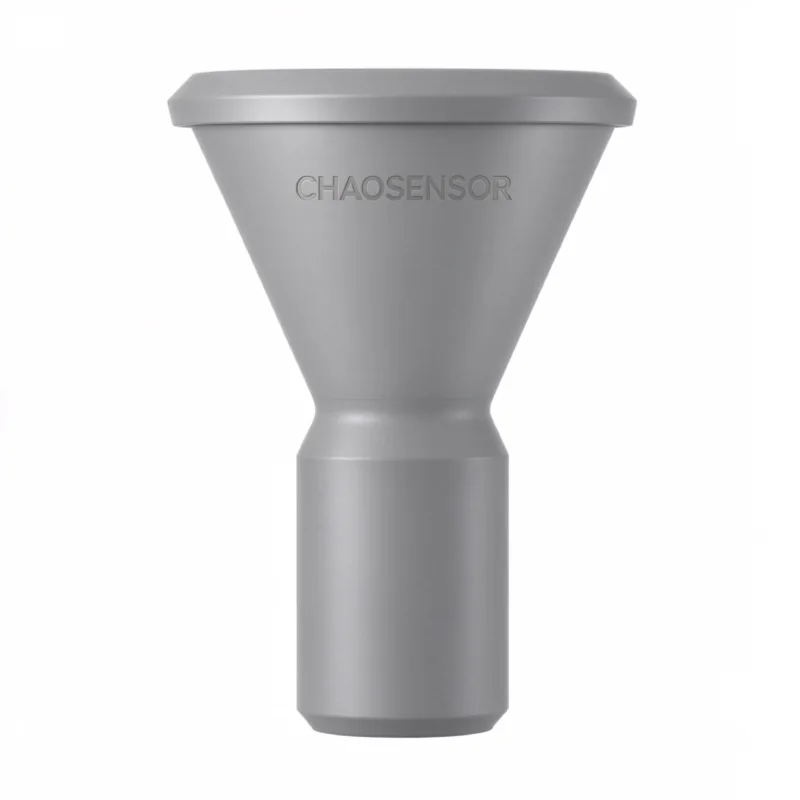
| Specification Parameter | Technical Details |
|---|---|
| Model / Series | CC-M55 Tipping Bucket Rain Gauge / Precipitation Sensor (CC-M Series) |
| Measurement Principle | Precision Mechanical Tipping Bucket with Dual-Reed Switch Sensing |
| Precipitation Measurement & Performance Specifications | |
| Collector Diameter | • Outer Diameter: Ø200 mm • Inner Diameter: Ø160 mm |
| Measurement Range (Rainfall Intensity) | 0 to 4 mm/min |
| Resolution | 0.1 mm |
| Maximum Permissible Error (Accuracy) | ±0.4 mm (for rainfall ≤ 10 mm) |
| Electrical, Communication & Mechanical Configurations | |
| Output Signal & Interface | • Switch Output: Passive Dry-Contact Reed Switch Pulse • Digital Interface: RS485 (Modbus-RTU) |
| Power Supply | 12 to 24 VDC (for RS485 version; passive for switch pulse output) |
| Housing Material | Aluminum Alloy |
| Tailored OEM/ODM Capability | • Brand Customization: Custom silk-screen or laser-engraved logo branding available. • Packaging Options: Private-label custom protective packaging and calibration certificates. • Technical Adaptation: Customizable cable lengths, connector types, and heating accessories. |
| Applications | Meteorological observation networks, hydrological & flood warning systems, smart agriculture & irrigation control, urban drainage monitoring, and environmental research. |
Product Overview
The CHAOSENSOR CC‑M55 Tipping‑Bucket Rain Gauge Sensor is a WMO‑compliant precipitation‑measuring instrument adopting classic tipping‑bucket mechanical principle. It is designed for continuous rainfall monitoring in automatic weather stations, hydrological observation networks, smart agriculture and urban flood‑warning systems. Rainwater enters the precision‑machined collecting funnel and fills the dual‑compartment tipping bucket; each full tip generates a measurement pulse to calculate cumulative rainfall and real‑time rainfall intensity. It supports dual output modes including contact pulse signal and RS485 Modbus‑RTU digital interface, compatible with various meteorological data loggers, PLC, SCADA and hydrological IoT acquisition platforms. Explore our complete meteorological‑instrument lineup at our meteorological sensors page.
Core Working Principle
CC‑M55 tipping‑bucket rain gauge works on mechanical tipping‑bucket precipitation‑sensing principle. Rainfall is captured by the large‑aperture collecting funnel and guided into the internal balanced dual‑chamber tipping bucket. When one side bucket reaches calibrated water volume, gravity causes the bucket to tip over; the built‑in magnetic reed switch outputs one pulse signal corresponding to fixed rainfall depth. Each tipping event is counted to compute cumulative precipitation and real‑time rainfall intensity. The instrument delivers data via dry‑contact pulse for simple logger deployments or RS485 Modbus‑RTU digital bus for advanced meteorological‑station integration. Integrated debris filter screen blocks leaves, insects and large impurities to protect internal bucket‑mechanism from jamming.
Key Features & Engineering Advantages
- WMO‑Compliant Precipitation Measurement: Standard meteorological tipping‑bucket design, reliable for cumulative rainfall and real‑time rainfall‑intensity statistics.
- Dual‑Output Support: Dry‑contact pulse signal for legacy‑system retrofits and RS485 Modbus‑RTU digital output for modern IoT‑based weather‑station projects.
- Built‑In Debris‑Filter Screen: Top‑mount filter screen blocks leaves, twigs and insects to reduce mechanical‑jamming risk and lower field‑maintenance workload.
- Precision‑Level Levelling Structure: Equipped with bubble level and levelling adjustment screws; accurate horizontal installation guarantees precipitation‑measurement accuracy.
- Robust Outdoor Enclosure: Weather‑resistant housing material with anti‑UV treatment, suitable for long‑term unattended outdoor deployment in hydrological, agricultural and urban‑monitoring sites.
- Wide‑Range Industrial‑Grade Power: 12‑24 VDC power‑supply, compatible with solar‑battery off‑grid power for remote unmanned observation stations.
- Complete OEM / ODM Customization: Custom silk‑screen or laser‑engraved logo branding, private‑label packaging, custom cable‑lengths, connector options and special‑protocol adaptation for tender‑grade bulk‑project orders.
Sensor Selection Guide: Tipping‑Bucket Rain Gauge Solutions
CHAOSENSOR provides multiple precipitation‑monitoring hardware for different meteorological‑project requirements:
- CC‑M55 Tipping‑Bucket Rain Gauge Sensor: Standard WMO‑style tipping‑bucket rain‑gauge. Best‑suited for general‑purpose rainfall observation for AWS, hydrology, smart‑agriculture and urban flood‑alert projects.
- Heated tipping‑bucket rain‑gauge (optional variant): Adds anti‑freeze heating module for cold‑climate sites with snow, sleet and freezing‑rain conditions to measure solid precipitation.
- Non‑contact precipitation sensors: Radar‑/optical‑type sensors with zero moving‑parts, but relatively higher cost and different measurement‑principle limitations.
Choose CC‑M55 when you need cost‑effective, standard‑grade tipping‑bucket rainfall measurement. Pair it with wind sensors, pyranometers, temperature‑humidity transmitters from meteorological sensors page to build a full‑featured automatic weather‑station.
Typical Industrial Applications
- Synoptic Automatic Weather Stations: Standard precipitation‑observation node for national and regional meteorological‑monitoring networks.
- Hydrological & Water‑Resource Observation: Rainfall logging for watershed hydrology, reservoir inflow forecasting and flood‑risk early‑warning systems.
- Smart Agriculture & Agrometeorology: Farm‑site rainfall monitoring to support irrigation scheduling, crop‑growth analysis and agricultural‑disaster assessment.
- Urban Flood‑Risk Monitoring: Urban‑area real‑time rainfall data input for city water‑logging and flood‑forecast platforms.
- Ecological & Environmental Research: Long‑term precipitation dataset collection for ecological‑station and climate‑change‑related field‑research work.
Installation & Field‑Deployment Guidelines
- Mounting Site: Select open‑area mounting position; keep away from tall buildings, trees and obstructions that cause wind‑induced rainfall‑capture error.
- Strict Horizontal Levelling: Adjust levelling screws and bubble‑level to ensure perfect horizontal installation; tilt will directly produce rainfall‑measurement deviation.
- Power & Communication Wiring: Adopt 12‑24 VDC power‑supply. Use shielded cable for RS485 Modbus‑RTU wiring to suppress electromagnetic interference.
- Filter‑Screen & Mechanism Maintenance: Periodically clean top filter‑screen to clear accumulated leaves, dust and debris; inspect tipping‑bucket mechanism to eliminate jamming risk.
- Cold‑Site Deployment Note: Standard CC‑M55 version measures liquid rainfall only; for snow / sleet / freezing‑rain scenarios select heated variant.
- Surge‑Protection Recommendation: Install lightning surge‑protection hardware for power‑and‑signal lines at thunder‑prone outdoor locations to protect rain‑gauge and backend data‑acquisition equipment.
Frequently Asked Questions (FAQ)
1. What measurement principle does CC‑M55 tipping‑bucket rain gauge adopt?
It adopts classic mechanical tipping‑bucket principle compliant with WMO meteorological specifications, calculating rainfall volume by counting magnetic‑reed‑switch tipping pulses.
2. What output‑signal options are available for CC‑M55?
Supports dry‑contact pulse output and RS485 Modbus‑RTU digital output, compatible with mainstream meteorological data‑loggers, hydrological controllers and IoT‑gateway hardware.
3. Can CC‑M55 measure snow and sleet?
Standard unit measures liquid rainfall only. For snow, sleet and freezing‑rain monitoring you need to select the optional heated tipping‑bucket variant.
4. Why is horizontal levelling critical for tipping‑bucket rain‑gauge accuracy?
Any tilt disturbs gravity balance of internal tipping‑bucket assembly and creates systematic rainfall‑counting error, so levelling adjustment with bubble‑level is mandatory during installation.
5. Does CHAOSENSOR offer OEM / ODM customization for CC‑M55?
Yes. Custom logo marking, private‑label packaging, custom cable‑lengths, connectors and special‑communication‑protocol adaptation are supported for bulk‑order and tender‑project‑requirements. You may combine it with other meteorological instruments found on our meteorological sensors page for complete weather‑station setups.